| Date: 09/23/2026 | N-Number: N830EH | Airport: 7WI5 | Altimeter: 30.40 | ||||
| Test Conductor: Evan Krueger | Observer: Hannah Silber | ||||||
| Start Time: 09:58 | Off Time: 10:06 | On Time: 10:17 | End Time: 10:18 | ||||
| Block Time: 0.3 | Flight Time: 0.2 | ||||||
| T/O Weight: 1,026 | T/O CG: 66.40 | Takeoff Trim: 3.5 Turns | Takeoff Flaps: 0° | ||||
| Start Fuel: 10.0 | End Fuel: 8.9 | CHT Limit: 392°F | Oil Temp Limit: 244°F | ||||
| Est VS: 40 | VS x 1.4: 56 | VS x 1.5: 60 | VS x 2.0: 80 | VS x 2.5: 100 | |||
CG: One-fourth to one-third back from front of envelope
Fuel: One hour minimum
Ground Observer: With fire extinguisher and radio.
Verify: Weather conditions are optimal and pilot is well rested.
Communication: Coordinate as needed with ATC and announce the nature of the flight as appropriate
Possible Emergencies: Engine failure on takeoff, in-flight fire, cockpit smoke, vibration, control difficulties, engine failure, pitot-static failure, EFIS failures.
Procedures:
- START: Normal
- Record engine readings when stabilized.
- TAKEOFF: Flaps up, leave landing gear extended
- CLIMB: Expected VY or, if not known, 1.3 times estimated VS but in any case no greater pitch angle than the angle used in the ground fuel flow test.
- Perform 180-degree turn at a safe altitude (2,000 agl) to orbit airport.
- Use gentle aileron and elevator inputs with small bank angles.
- Check engine instruments in the green. If so, continue climb over the airport.
- LEVEL OFF: Orbit at planned safe altitude
- Establish an appropriate cruise speed in accordance with the considerations discussed in the Flight Testing Manual. Do not exceed maximum gear speed.
- Trim elevator, rudder, and ailerons for straight-and-level flight. Note trim positions and aileron trail positions.
- Relax control pressure and note airplane response.
- Check engine instruments again.
- Using gentle rudder inputs, yaw the airplane five degrees left and right. Note any unexpected or unstable responses.
- In 5-knot increments, slow to the target approach speed and verify aircraft handling and controllability.
- Return for flaps-up (if permissible) landing using the target approach speed.
- SHUTDOWN: Normal
Results:
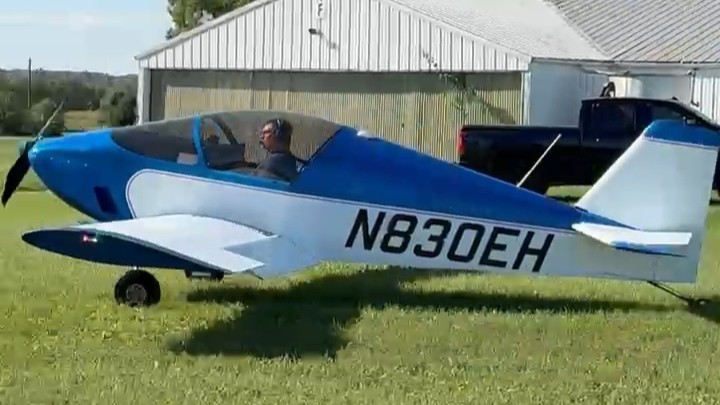
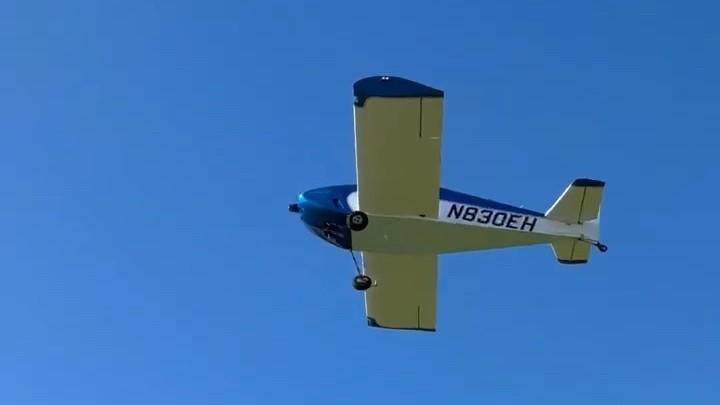
Overall first flight went well with no surprises or unwanted characteristics. During takeoff and climb out at full power, EGT spread was significant with some momentary spikes into the upper caution range. This indicates a slightly lean condition at full power which will require a needle adjustment in the AeroInjector. Idle speed worked out well along with voltage regulator charge voltage (14.3 volts). Overall the aircraft performed flawlessly and handled crisply and honest. Circled above airport at 3,000’ MSL (2,000 AGL) and tested control responses; all stable and functioned as designed. Noted a slight left rolling tendency at cruise which could be the result of flying the aircraft solo; will wait to address condition until flight testing under the additional pilot program. Slight right rudder needed during cruise as well (half ball or so). No adverse control tendencies during approach to slow flight. Made a normal approach to landing using flaps 20. Shut down aircraft and noted a slight oil leak out of the RH oil cooler fitting that will be addressed before flight number 2. Also observed slightly low oil pressure and temps which could be a result of needing some airflow restriction over oil cooler inlet; will address in future test flights likely with tape before creating a block-off plate.
Leave a Reply